1

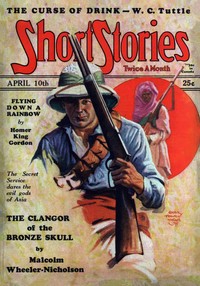
Flying down a rainbow — Background and Themes
443
2
Project Gutenberg
2025
Short stories; Gold miners -- Fiction; West (U.S.) -- Fiction; Air pilots -- Fiction
Readers of public-domain and historical texts
Project Gutenberg digital edition
en
Edition facts
Words: 8,394
Reading time: 37 min
Text sections: 1
Source:
Project Gutenberg record #75097
In this 1929 aviation adventure, a down-on-his-luck pilot rebuilds a wrecked biplane and flies an old gold prospector into the Canadian wilderness, where a crash landing tests their resolve and loyalty.
Editorial Edition Score
4.5/5
★★★★★
★★★★★
Calculated from edition completeness, EPUB availability, text structure and catalogue metadata. Not a user rating.
Edition quality
The story opens with a mechanic’s-eye view of a broken airplane: a splintered prop, a cracked crankshaft, and a landing gear in ruins. Jimmy Devlin, the pilot, spends two months and every dollar he has to resurrect the wreck, patching fabric and applying dope until the Department of Commerce inspector reluctantly certifies it airworthy. The plane, nicknamed the “Calico Peacock,” becomes a laughingstock at Pacific Field, and Jimmy struggles to attract passengers. The catalog lists this as a science fiction title, but the excerpts show no futuristic technology—only a gritty, realistic depiction of 1920s aviation and the hardscrabble life of a small-time pilot.
Gold Prospecting from the Air
The catalog subjects include “Gold miners – Fiction” and “West (U.S.) – Fiction,” and the excerpts bear this out. An old-timer’s aphorism—“Gold’s a funny old gal. She’ll flirt with you for years and then go throw herself on some total stranger’s neck”—sets the tone. Jimmy’s passenger, Weber, is a veteran prospector who has spent years combing creeks and hills. The pair fly over the Canadian wilderness, searching for a rumored strike near Keno. The story blends two modes of travel: the airplane’s speed and the prospector’s intimate knowledge of trails and creeks. Weber identifies Stink Creek from the air, recalling his many journeys along it. The gold rush is imminent, but the excerpts do not reveal whether they reach the strike or stake a claim.
The Crash and Its Aftermath
The crash sequence is the most detailed event in the excerpts. Jimmy spirals down over a narrow valley, aiming for a patch of young aspens, but a concealed rock ledge demolishes the plane. He wakes hours later with a broken arm, a swollen eye, and a bandaged head, lying on a blanket near a fire. Weber, who protected himself with blankets, is bruised but mobile. The wreck is total: “the Calico Peacock nosed head on into the rocks and crumbled into a tangled mass of wreckage.” The catalog does not list survival or injury as subjects, but the excerpts focus on physical damage and injury. Jimmy’s first concern after regaining consciousness is not his own pain but Weber’s chance to reach the gold strike before the rush.
Loyalty Over Gold
When Jimmy urges Weber to hike to Keno alone and stake claims for both of them, the old man refuses. “I reckon gold ain’t worth that much, son,” he says, and insists on building a fire, making coffee, and waiting for help. The dialogue reveals a moral choice: Weber has spent a lifetime missing strikes, but he will not abandon an injured partner. The catalog subjects do not include friendship or sacrifice, yet the excerpts hinge on this decision. The story’s title, “Flying Down a Rainbow,” suggests a chase after an elusive prize, but the crash scene suggests that the real value may lie in human connection. The excerpts end with Weber tending the fire, and the reader is left to wonder whether rescue arrives before the gold rush passes them by.
The excerpts offer a self-contained episode: a plane rebuilt from scrap, a flight into the wilderness, and a crash that forces a choice between wealth and loyalty. Readers should note that the catalog’s “Science Fiction” label may be misleading—the story is grounded in 1920s aviation technology and frontier prospecting. The text is brisk, with dialogue that carries the plot, and the ending is not included in these excerpts. Pay attention to how the author balances technical repair details with the prospector’s folksy wisdom; the two voices create a tension between modernity and tradition that drives the narrative.
Reader reflection
How did this book work for you?
Your answers remain private and are stored only in this browser.
Your progress
0
/
10
2
How much did you enjoy the reading experience?
3
Is this a title you would suggest to others?
4
How much effort did this book require?
5
How useful were the ideas in this book?
6
Was the book what you thought it would be?
7
How strong was your personal connection to the text?
8
How clear did the writing feel?
9
What changed or sharpened your thinking?
10